

Bariatric surgery opens the door to a new life, all kinds of opportunities start showing up in a patient’s life and his or her health usually improves in a dramatic way. But it is important for the patient to be prepared for the changes they will see in their body and the options they have when facing the final part of their process.
Many of the people who reach their goal weight after living with obesity for a long time can expect to have a lot of excess skin; as excess body fat disappears, the skin becomes loose and sags.
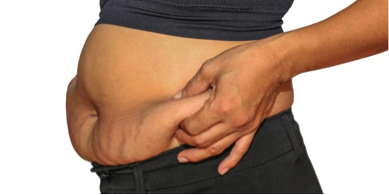
A healthy diet accompanied by good supplementation and hydration will help skin to respond in the best possible way; soaps and creams with ingredients that promote firmness can also be part of post-surgical care, but for those who find that the excess skin has become a problem physically, emotionally or health wise, plastic surgery offers very satisfactory results.
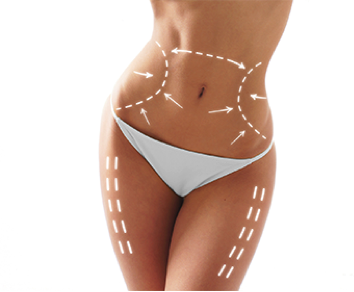
Before even thinking about plastic surgery, patients should complete their bariatric program or reach a point in which their doctor feels it is all right to start considering a procedure of this kind. Typically a patient must wait a full year to have plastic surgery, because it is important that they achieve metabolic, nutritional and weight stability; and they need to have found a balance between their way of eating and their physical activity.
After a major weight loss excess skin tends to appear in the abdomen, arms, thighs, breast, neck and face. In response to these conditions plastic surgery offers procedures such as:
– Tummy tuck (correction of abdomen)
– Blepharoplasty, upper or lower (correction of bags in eyelids)
– Braquioplasty (arm surgery)
– Lifting of the breasts (with or without implants), face, neck and thighs, among others.
When it comes to plastic surgery for the bariatric patient who has lost a significant amount of weight, it is essential for the performing plastic surgeon to be trained in these specific cases. Some patients are just starting to overcome some of their co-morbidities and the surgeon must have a full grasp of their medical condition before suggesting the procedures that may successfully complete the patient’s weight loss journey.

Patients should talk to their plastic surgeon about any possible risks, recovery times for the chosen procedure and the type of scarring that can be expected. It is the doctor’s responsibility to clearly explain to the patient the results that can be obtained in an honest and professional way. Current plastic surgery techniques and post-surgical care have allowed for scarring to be less noticeable and problematic for the patient.
If are contemplating plastic surgery after losing weight or simply want to know what you can expect after bariatric surgery, take into account that for plastic surgery to meet your expectations, these have to be very realistic and the advice of an expert is essential.
– Plastic surgery can help conclude your process and be something like the icing on the metaphorical cake!
– You should see a plastic surgeon only after your bariatric surgeon gives you the green light green and once your weight has stabilized.
– Your plastic surgeon must be aware of your clinical history and any comorbidities (past or present) and ideally should belong to the same medical group as your bariatric surgeon or work closely with him or her.
If your health and emotional status allow for it, and if you have your bariatric surgeon’s approval, plastic surgery can play an important role in the healthy lifestyle that you’ve adopted, helping you feel more comfortable in your own skin while achieving the figure you’ve always dreamed of.
For more information call LIMARP International Center of Excellence for Obesity Toll Free at (866)585 3298 from US and Canada, for the rest of the world call +52 (664) 686 2542 or fill out a contact form here to receive a free evaluation.