


Our follow up program and 10 years of clinical observations have helped us determine that the post-bariatric patients who achieve and sustain their goal weight, have the following characteristics in common:
- They do not miss their follow-up appointments and participate in support groups.
- They adhere to their post-surgical nutritional plan.
- They have made exercise a part of their daily life.
The threat of suffering from dumping syndrome may be enough to motivate most patients to stick to their diet, but noticing that they feel full with a much smaller amount of food and seeing their bodies change rapidly may be the most powerful motivators of all.
Follow up appointments in which your doctor tracks your weight loss and support groups may also be a great source of motivation. But for many, the stumbling block is physical activity. Some bariatric patients have never exercised at all, others are intimidated by gyms or trendy exercise classes, and we all know how difficult it can be to break old habits. There is no shortage of excuses not to exercise.
But exercise should be a priority for the bariatric patient, and everyone for that matter, for some very clear and important reasons.
Recent studies indicate that bariatric patients who exercise regularly can reduce their BMI by an additional 4.2%. Additional research indicates that aside from eating habits, exercise is the strongest predictor for successful weight loss. Which means that after diet, exercise is the most important factor for sustained weight loss.

It is important to understand that the value of exercise goes beyond calorie burning, because calories can be recovered in a single meal. Regular exercise will speed your metabolism, which means that you will burn more calories throughout the day, even at rest.
Bariatric patients who follow their diet and also commit to an exercise program, even a moderate one (i.e. from 2 to 5 hours of exercise per week) are likely to:
- Lose weight faster.
- Have faster resolution of comorbidities and conditions related to obesity, including mental and emotional ones.
If you are still reluctant to start a physical activity plan, keep in mind that regular exercise can help you have:
- Greater life expectancy
- Less abdominal fat
- Stronger bones and muscles
- Regular blood pressure and healthy blood lipid levels
- More stable blood sugar levels
- Better sleep
- More energy
- Greater mobility
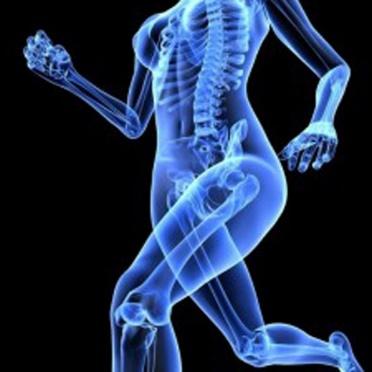
Anyone wishing to start an exercise program, but especially the bariatric patient, should consult an expert before beginning. Your surgeon should guide you through the post-surgical stage and determine the ideal time for you to start being active.
Your exercise plan should be progressive and challenging but not to the point where you feel excessive discomfort; start slowly and carefully and gradually build up your workout.

Make it your priority to find a type of activity that you really like, listen to your body and follow your trainer´s instructions closely to avoid injury. Remember that each workout brings you closer to the fit, energetic, strong and happy person you are meant to be!
At LIMARP bariatric surgery is part of an integrative program that includes a physical activity plan designed especially for you. For more information call LIMARP International Center of Excellence for Obesity at +52 (664) 686 2542 or fill out a contact form here to receive a free evaluation.