

Figuring out the labels of the food we buy is not a simple thing. We can get lost in the percentages and grams and end up more confused than before reading the nutrition facts. Pretty much all of us know by now that it is very easy to eat too many calories, fat, sugar and sodium if we fail to review what out food really contains, especially processed foods.

The first thing we have to look at is the number of servings that come in a package. Many times one can or bottle of sweetened iced tea, for example, contains 2 or 3 portions, but consumers tend to drink the entire things. In these cases we have to multiply the calories and nutritional values by the portions contained in the package. This happens with all kinds of food; packaged cookies, muffins, chips, etc.
Many times we are misled by flashy signs on food labels, they might say “light”, “low fat”, “natural” or “no added sugar”; but something that claims to be natural or have no added sugar can in fact contain lots of sugar.
A teaspoon of sugar contains approximately 4.5 grams and the general recommendation is that we consume between 6 and 9 teaspoons of added sugar per day (depending on gender and level of physical activity), just one of those giant soft drinks or frothy whipped frapuccinos may well set you up with the maximum amount of sugar you should eat in two days, some can have up to a whopping 66 grams of sugar.
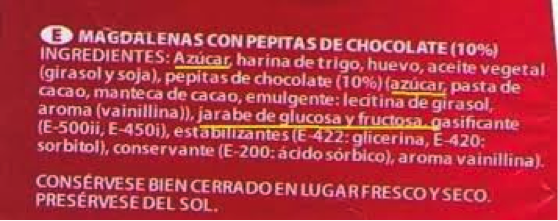
It is really important to know that sugar is hides under many names, and if you find it among the first 4 ingredients in a package, it likely has more sugar than we should have. Some other nmaes sugar goes by are: maltodextrin, dextrose, fructose, glucose, glucose solids, lactose, sucrose, corn syrup, malt, molasses, brown sugar, syrup, honey and quit a few others.
Juices, teas, smoothies and bottled cappuccinos can have the same or more sugar than you find in some soft drinks, so be aware. Yogurts are also guilty of this, not to mention breakfast cereals; one of the main sources of sugar in kids’ diets.
The nutrition facts labels in the United States and other countries include a recommended daily percentage for each nutrient. This calculation is based on a 2000 calorie diet, but many people require more or less calories, so this has to be taken into account to make the necessary adjustments.

Another important issue is sodium. It only takes a quick Internet search to know that the daily intake should not exceed 2300mg, yet most Americans consume around 3400 mg of sodium per day. This is alarming, because people over 50 and those with high blood pressure should have only 1500 mg per day.
Fats are another factor we must consider. The general recommendation is that your fat intake should not exceed 30% of your daily calories. The current rules state that we should avoid trans fats, limit saturated fats (butter, whole milk) and opt for monounsaturated fats (olive oil, avocado, nuts), polyunsaturated fats (vegetable and seed oils) and Omega-3 fatty acids (salmon, herring, sardines, flax, chia seeds).

It’s also good to check the list of ingredients, if it’s too long, with words that sound more like chemical compounds than food, it’s likely that the product has little nutritional value and is high in empty calories. This is precisely the “trap” that has contributed so much to the sky high obesity levels in the world today.
At LIMARP our multidisciplinary team provides our Bariatric patients with the information they need to make smart food choices. If you or someone in your family suffers from obesity, our comprehensive care model can help. For a free evaluation call LIMARP International Center of Excellence for Obesity at (664) 686-2542 or fill out a contact form at www.limarpclinic.com